A Grounded Buyer’s Guide (2026)
| Vehicle | Best For | Approx. Range | Grounded Take |
| Chevrolet Bolt EV | Best Overall Value | 250+ miles | Buy |
| Tesla Model 3 | Technology & Road Trips | 240–300+ miles | Depends |
| Hyundai Kona Electric | Everyday Commuting | 250+ miles | Buy |
| Nissan LEAF | Lowest Budget | Varies by model | Depends |
Grounded Question
Can you buy a reliable electric vehicle for under $20,000, or do lower prices come with compromises that aren’t worth the savings?
Short Answer
Yes—but you need to shop differently than you would for a gas vehicle.
Over the past few years, used EV prices have fallen dramatically. Models that once sold for well over $35,000 are now available for less than $20,000, giving buyers access to longer range, modern safety features, and lower operating costs than ever before.
The catch? Not every used EV is a good buy. Battery condition, charging capability, warranty coverage, and your own driving habits matter far more than simply finding the cheapest listing.
Why This Matters
Buying an affordable used EV has never looked more appealing.
Depreciation has pushed several well-known models into the sub-$20,000 range, creating opportunities that didn’t exist just a few years ago. At the same time, concerns about battery longevity have kept many buyers on the sidelines, often leading to lower prices than the vehicles themselves justify.
For shoppers willing to do a little homework, today’s used EV market offers some excellent values. But choosing the right vehicle means looking beyond price alone.
How We Evaluated
Rather than chasing the longest feature list, we focused on the things that matter most in everyday ownership:
- Purchase price
- Real-world driving range
- Battery reputation
- Fast-charging capability
- Reliability and owner experience
- Warranty coverage
- Long-term ownership costs
- Availability of service and parts
The goal isn’t to find the “best” EV for everyone—it’s to identify the strongest choices for different types of buyers.
Our Recommendations
Chevrolet Bolt EV
Best Overall Value
If your priority is getting the most range and practicality for your money, the Chevrolet Bolt remains one of the strongest values on the used market.
Why we like it
- Excellent range for the price
- Simple, efficient design
- Low operating costs
- Many vehicles received brand-new battery packs through GM’s battery recall program
Tradeoffs
Older models may not include DC fast charging, which can make road trips less convenient. Always verify that the vehicle has this option before buying.
Best for
Daily commuters, first-time EV buyers, and anyone primarily charging at home.
Tesla Model 3
Best Technology
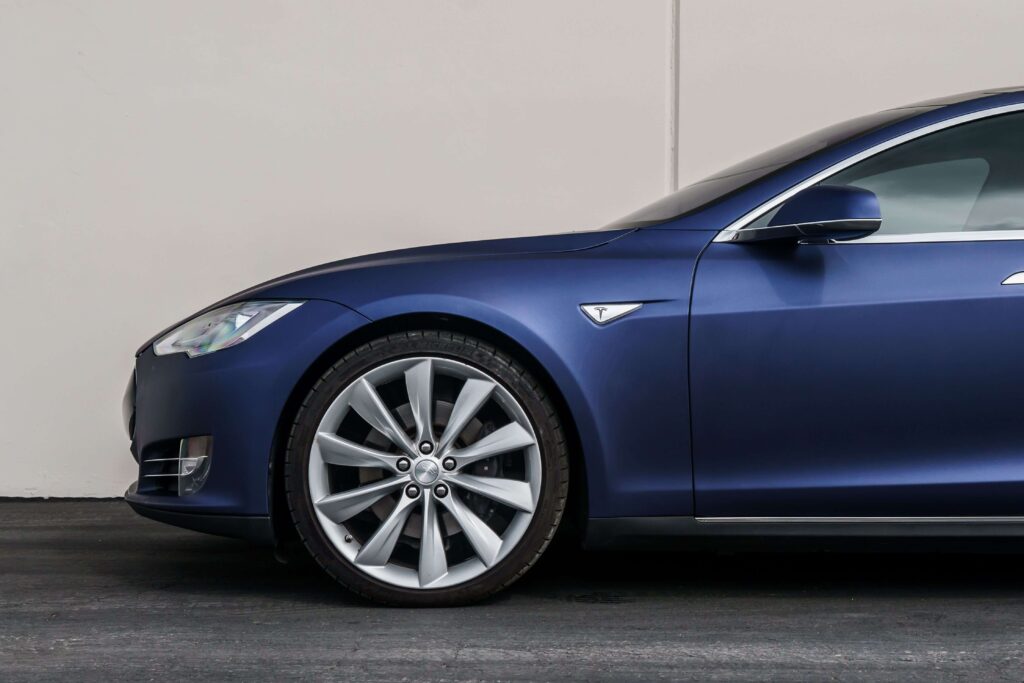
As prices continue to fall, early Model 3s are becoming realistic options under $20,000.
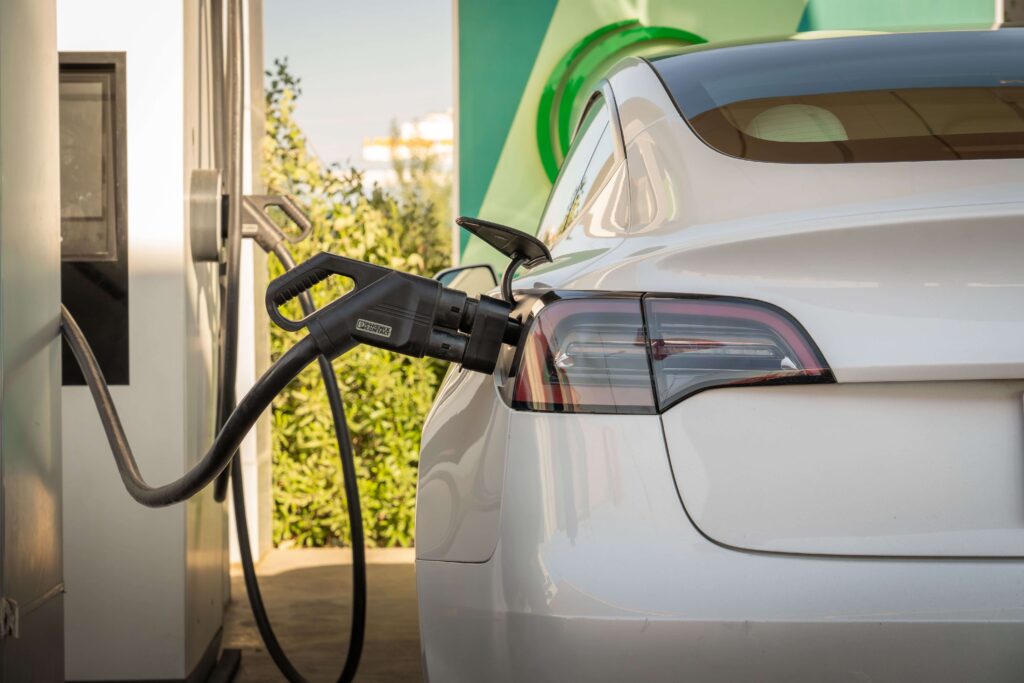
The biggest advantage isn’t just performance—it’s access to Tesla’s charging ecosystem, software updates, and mature EV technology.
Why we like it
- Excellent charging experience
- Strong efficiency
- Modern software
- Large owner community
Tradeoffs
Insurance can be higher than expected, and repairs may cost more than comparable non-Tesla vehicles.
Best for
Drivers who regularly travel longer distances and value charging convenience.
Hyundai Kona Electric
Best Alternative to Tesla
The Kona Electric often flies under the radar, but it offers an impressive combination of efficiency, range, and everyday practicality.
Why we like it
- Excellent efficiency
- Comfortable size
- Good driving range
- Strong overall value
Tradeoffs
Interior space is smaller than some competitors, and availability varies depending on your location.
Best for
Commuters and small families looking for a practical daily driver.
Nissan LEAF
Best Budget Choice (With Caveats)
The LEAF is frequently the least expensive option on this list.
That doesn’t automatically make it the best value.
Its battery cooling system and charging connector can make it a less practical choice for buyers who regularly take long trips or live in hotter climates.
Why we like it
- Affordable purchase price
- Widely available
- Comfortable around town
Tradeoffs
Older models have shorter range, and charging infrastructure is becoming less favorable compared to CCS or NACS-equipped vehicles.
Best for
Local commuting and drivers with predictable daily mileage.
Before You Buy
Regardless of which model you’re considering, check these items before signing any paperwork.
✓ Confirm whether DC fast charging is equipped.
✓ Review battery warranty coverage.
✓ Check for completed recall work.
✓ Ask about charging habits and maintenance history.
✓ Test every charging port before purchasing.
✓ Review the condition of the tires, as replacement costs on EVs can be higher than many buyers expect.
Who Should Skip a Used EV Under $20,000?
This category isn’t right for everyone.
You may want to wait or expand your budget if:
- You regularly tow heavy loads.
- You drive hundreds of miles every day.
- You can’t reliably charge at home or work.
- You expect every feature found in a brand-new vehicle.
There’s nothing wrong with deciding that today’s used EV market doesn’t fit your situation. Eliminating the wrong choice is just as valuable as finding the right one.
Living With It
Owning an EV is different—but not necessarily more difficult.
Most owners quickly settle into a routine of charging overnight, spending less on routine maintenance, and rarely visiting a gas station again.
The biggest adjustment isn’t driving the vehicle.
It’s understanding your charging options before you buy.
If you’re unsure whether a particular model fits your budget, don’t rely on estimates alone.
Use the Grounded Gear EV Budget Calculator to compare purchase price, electricity costs, insurance, and expected ownership expenses.
Grounded Verdict
For many buyers, a used EV under $20,000 represents one of the best values in today’s automotive market.
The key is resisting the temptation to shop on price alone.
A well-maintained Chevrolet Bolt, Tesla Model 3, or Hyundai Kona Electric may cost a little more than the cheapest listing you find—but the better ownership experience often makes up for that difference.
Spend your time evaluating battery condition, charging capability, and overall vehicle history instead of chasing the absolute lowest price.
Buying smarter almost always costs less in the long run.
References
This guide was developed using manufacturer information, owner experiences, government resources, and independent automotive research. Where practical, Grounded Gear prioritizes information that reflects real-world ownership over marketing claims.