
A Grounded Guide to One of EV Ownership’s Biggest Surprises
Grounded Question
Electric vehicles promise lower fuel and maintenance costs—but do higher insurance premiums erase those savings?
Short Answer
Sometimes—but not always.
Many electric vehicles cost more to insure than similar gasoline models, but there’s no universal rule. Insurance premiums depend on factors like the vehicle’s value, repair costs, where you live, your driving history, and even which insurance company you choose.
The important takeaway isn’t that EVs are expensive to insure—it’s that insurance should be part of your buying decision, not an afterthought.
Why This Matters
When people compare electric vehicles to gasoline cars, they usually focus on fuel savings.
Some look at maintenance.
Others compare purchase prices.
But insurance is often overlooked until after the purchase, when the first premium arrives.
For some buyers, the difference is small. For others, it can add hundreds—or even thousands—of dollars over the course of ownership.
That’s why it’s worth getting insurance quotes before you commit to any vehicle, whether it’s electric or gas-powered.
Why Some EVs Cost More to Insure
Insurance companies don’t charge more simply because a vehicle is electric.
Instead, they’re looking at the cost and likelihood of future claims.
Several factors can push premiums higher.
Repair Costs
Modern EVs are packed with advanced electronics, sensors, cameras, and expensive battery systems.
Even a relatively minor collision may require specialized inspections or repairs that aren’t necessary on a comparable gasoline vehicle.
Higher repair costs often translate into higher insurance premiums.
Specialized Repairs
Not every body shop is equipped to repair electric vehicles.
Some manufacturers also require specific repair procedures or certified technicians.
When repair options are limited, insurance companies often pay more to complete a claim.
Vehicle Value
Many EVs still have higher purchase prices than comparable gasoline vehicles.
Since insurers may have to replace the vehicle after a major loss, a higher vehicle value can naturally increase premiums.
Claims Data Is Still Evolving
Insurance companies price policies based on risk.
While EVs are becoming more common, insurers continue collecting long-term data on repair costs, accident rates, and claim frequency.
As that data improves, insurance pricing will likely continue to change.
Not Every EV Is Expensive to Insure
This is where many headlines get it wrong.
Saying “EVs are more expensive to insure” oversimplifies the issue.
Affordable models like the Chevrolet Bolt or Nissan LEAF often have insurance costs that are much closer to comparable gasoline vehicles than many buyers expect.
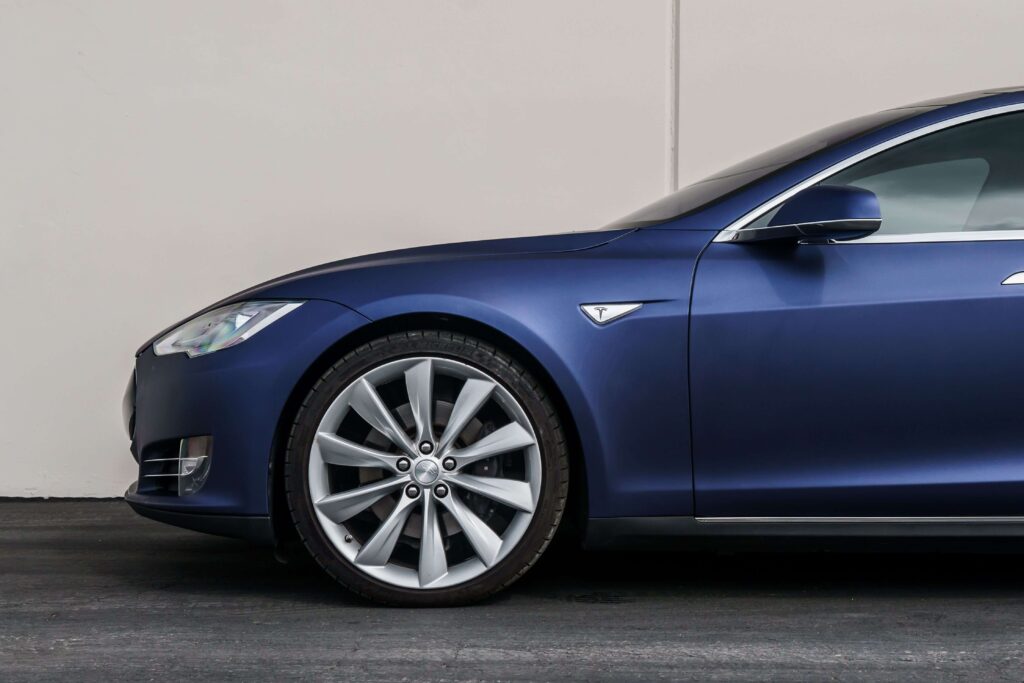
On the other hand, premium models such as certain Teslas, Rivians, or Lucids can carry significantly higher premiums because of their value, performance, and repair costs.
The badge on the hood isn’t what matters most.
The specific vehicle does.
What About Fuel Savings?
Higher insurance premiums don’t automatically make an EV a poor financial decision.
For many owners, savings from electricity, reduced maintenance, and fewer routine service visits still outweigh higher insurance costs.
The only way to know is to look at your total cost of ownership—not just one expense.
Insurance is one piece of a much larger financial picture.
Before You Buy
Getting insurance quotes takes only a few minutes, but it can save you from an expensive surprise later.
Before buying any EV:
✔ Get quotes from multiple insurance companies.
✔ Compare the exact vehicle you’re considering—not just the brand.
✔ Ask about available discounts for safety features or bundled policies.
✔ Research local repair availability in your area.
✔ Include insurance in your overall ownership budget—not just your monthly payment.
Who Should Pay Extra Attention?
Insurance deserves an even closer look if you’re shopping for:
- Luxury EVs
- High-performance models
- Tesla vehicles
- Rivian vehicles
- Young or newly licensed drivers
- Areas with high insurance rates
In these situations, insurance costs can vary dramatically between companies.
Shopping around often matters just as much as choosing the vehicle itself.
What’s the Catch?
Many buyers assume lower maintenance automatically means lower ownership costs.
That’s only part of the story.
While EVs eliminate oil changes, spark plugs, and many traditional maintenance items, insurance can offset some of those savings depending on the vehicle and your personal circumstances.
Looking at only one cost—whether it’s fuel, maintenance, or insurance—rarely tells the full story.
Living With It
After the initial purchase, insurance simply becomes another recurring ownership expense.
The difference is that unlike electricity costs or routine maintenance, insurance premiums can often be reduced by comparing providers, adjusting coverage, or taking advantage of discounts.
Re-shopping your policy every few years may save more money than many owners expect.
Grounded Verdict
Depends.
Electric vehicles often cost more to insure—but that’s only part of the story.
Insurance premiums vary widely based on the vehicle, your location, driving history, and the insurance company you choose. Some affordable EVs have premiums comparable to gasoline vehicles, while luxury or high-performance models can cost considerably more.
The smartest approach isn’t to assume every EV is expensive to insure.
It’s to get quotes before you buy and evaluate the total cost of ownership—including fuel, maintenance, depreciation, and insurance—before making a decision.
Buying smarter starts with knowing the full picture.
Try the EV Budget Calculator
Insurance is just one piece of ownership costs.
Use the Grounded Gear EV Budget Calculator to compare purchase price, electricity, maintenance, and other ownership expenses to see whether an EV actually makes financial sense for your situation.
References
This guide is based on insurer reports, independent automotive research, industry publications, and consumer ownership data. Grounded Gear aims to present practical, balanced information that reflects real-world ownership rather than relying on generalized claims.