A Grounded Guide to Understanding Why EV Values Drop—and What It Means for Buyers
Grounded Question
Electric vehicles have gained a reputation for losing value faster than gasoline cars. But should that stop you from buying one, or does it actually create better opportunities for used EV buyers?
Short Answer
It depends on which side of the transaction you’re on.
If you’re buying a brand-new EV, depreciation deserves serious consideration because many models have lost value faster than comparable gasoline vehicles in recent years. But if you’re shopping for a used EV, that same depreciation can work in your favor, allowing you to buy a vehicle with modern technology and long range for a fraction of its original price.
The key isn’t avoiding depreciation—it’s understanding why it’s happening and how it affects your buying decision.
Why This Matters
Most people think fuel is the biggest cost of owning a vehicle.
It’s usually not.
Depreciation—the difference between what you pay for a vehicle and what it’s worth when you sell it—is often the single largest ownership cost.
That’s true for both gasoline vehicles and EVs.
The difference is that many electric vehicles have depreciated faster than expected over the past several years, leading to headlines suggesting EVs are poor financial decisions.
The reality is more complicated.
Why Have EVs Lost Value So Quickly?
There isn’t one single reason.
Several factors have combined to push used EV prices down.
Technology Has Improved Quickly
A decade ago, an EV with 150 miles of range was considered impressive.
Today, many affordable EVs offer well over 250 miles, faster charging, and significantly better software.
That rapid pace of improvement makes older models feel outdated sooner than many gasoline vehicles, even if they still meet most drivers’ daily needs.
New Vehicle Price Cuts
One of the biggest drivers of depreciation has been aggressive pricing from manufacturers.
When companies reduce the price of a new EV, used examples must also become less expensive to remain attractive.
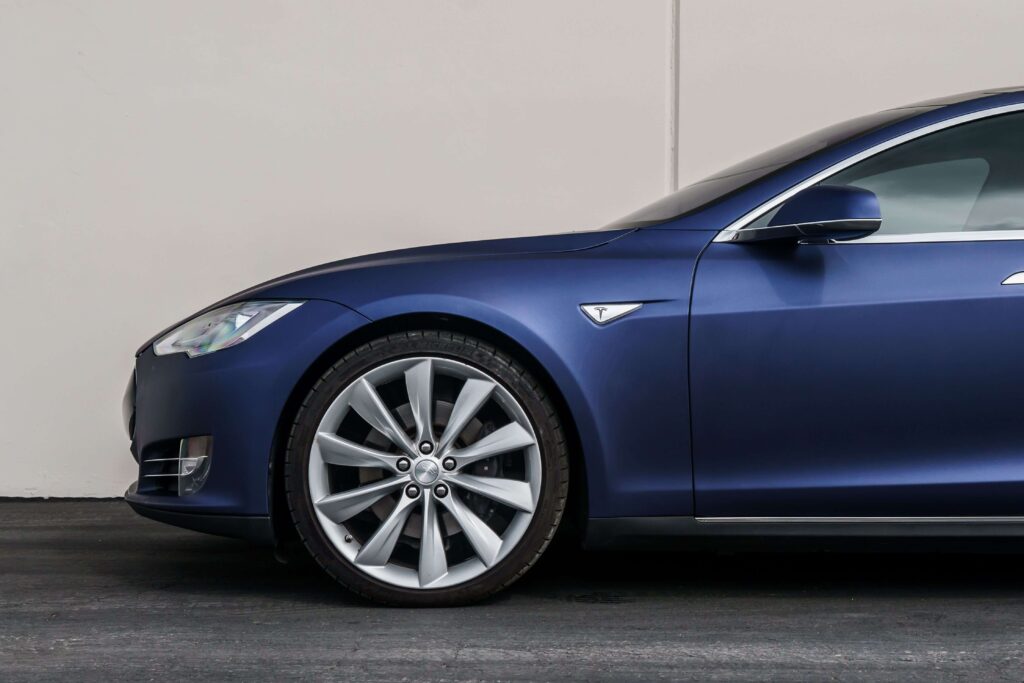
Tesla’s repeated price reductions are one of the clearest examples of how new vehicle pricing can ripple through the used market.
More Used EVs Are Entering the Market
The first wave of leased EVs is now returning to dealerships.
That’s great news if you’re shopping for a used vehicle.
It also means there’s more supply than there was just a few years ago.
When supply grows faster than demand, prices usually fall.
Tax Credits Change the Math
Federal and state incentives reduce the effective purchase price of many new EVs.
Used buyers know this.
If someone can receive incentives on a new vehicle, sellers often have to lower used prices to remain competitive.
Battery Concerns Still Influence Buyers
Even though modern EV batteries have proven to be more durable than many people expected, concerns about expensive battery replacements continue to influence resale values.
Perception doesn’t always match reality—but it still affects what buyers are willing to pay.
Does Every EV Depreciate the Same Way?
No.
This is one of the biggest misconceptions about the used EV market.
Some models have lost value much faster than others.
Vehicle price, manufacturer pricing strategies, demand, battery technology, and even local charging infrastructure all play a role.
Treating every EV the same is like saying every SUV or pickup truck depreciates at the same rate.
They don’t.
Why This Is Good News for Used Buyers
Here’s the part many articles overlook.
Rapid depreciation is bad for the first owner.
It’s often great for the second owner.
Many EVs that originally sold for $40,000 to $60,000 are now available for well under $25,000, giving buyers access to modern safety features, respectable range, and lower operating costs without paying new-car prices.
If your goal is getting the most vehicle for your money, today’s used EV market offers some of the strongest values available.
Before You Buy
A low price alone doesn’t make a used EV a good deal.
Before buying, make sure you:
✔ Check the remaining battery warranty.
✔ Review recall history.
✔ Verify charging capability.
✔ Request a battery health report whenever possible.
✔ Compare insurance costs before purchasing.
✔ Consider how and where you’ll charge the vehicle.
Battery condition is generally more important than odometer mileage when evaluating a used EV.
Who Should Pay the Most Attention?
Depreciation matters most if you:
- Buy new vehicles every few years.
- Trade vehicles frequently.
- Finance a large portion of the purchase.
- Expect high resale value.
If you typically keep a vehicle for eight to ten years, depreciation becomes less significant because you’ve already received much of the vehicle’s value through years of ownership.
What’s the Catch?
Lower used prices don’t automatically make every EV a bargain.
Some inexpensive EVs have limited range, slower charging, or older battery technology that may not fit your needs.
The goal isn’t to buy the cheapest EV.
It’s to buy the right EV at the right price.
Living With It
For many owners, depreciation becomes less important over time.
Once you’ve purchased the vehicle, your day-to-day ownership experience depends far more on charging convenience, maintenance costs, reliability, and whether the vehicle fits your lifestyle.
If you plan to keep your EV for many years, the monthly savings on fuel and routine maintenance may matter more than resale value.
Grounded Verdict
Depends.
Rapid depreciation is one of the biggest financial risks of buying a new EV—but it’s also one of the biggest advantages of buying a used one.
Instead of asking whether EVs depreciate faster, ask how long you plan to own the vehicle.
If you’re shopping for new, resale value should be part of your decision.
If you’re shopping used, someone else has likely absorbed the steepest depreciation, leaving you with the opportunity to buy more vehicle for less money.
Depreciation isn’t automatically a reason to avoid EVs.
For many buyers, it’s the reason they can finally afford one.
Try the EV Budget Calculator
Purchase price is only one part of ownership costs.
Use the Grounded Gear EV Budget Calculator to compare purchase price, fuel savings, insurance, and long-term ownership expenses before deciding whether an EV makes financial sense for you.
Related Guides
References
This guide was developed using current market studies, automotive industry research, battery health analysis, and consumer ownership data. Grounded Gear focuses on practical buying decisions by combining market trends with real-world ownership considerations.