Buying Your First EV: What to Know Before Switching From Gas
Switching from a gas car to an electric vehicle sounds simple enough: plug it in instead of filling it up, enjoy the quiet drive, and stop visiting gas stations quite so often.
But buying your first EV involves a few decisions that don’t come up in quite the same way when you’re shopping for a traditional gas powered car.
Where will you charge it? How much range do you actually need? Will public charging fit your routine? What happens when you take a longer trip? And will the money you save on fuel make up for any additional costs?
These aren’t reasons to avoid an EV. They’re reasons to figure out how you’ll use one before you buy it.
You don’t need to become a battery expert or memorize a charging standard. You need to understand your driving habits, have a realistic charging plan, compare the costs of the specific vehicles you’re considering, and know what to check before signing the paperwork.
Here’s how to work through the decision without turning it into a second job.
At a Glance: What to Figure Out Before Buying
Before choosing a vehicle, make sure you have a handle on these basics:
- Your driving: How far you travel on normal days and your longest recurring trips.
- Your charging: Where you’ll charge, how often, and what your backup plan is.
- Your range: Whether the vehicle can handle your regular driving and occasional longer trips.
- Your costs: Insurance, charging, tires, installation if needed, and expected depreciation.
- Your test drive: Comfort, visibility, braking feel, controls, and charging compatibility.
- Your first week: Charging setup, basic settings, maintenance guidance, and roadside assistance.
The short version: Figure out charging first, match the vehicle’s range to your real driving, and compare the full cost of ownership before getting attached to a particular model.
1. Start With Your Driving, Not the Car
It’s tempting to start by browsing EV models, comparing range figures, and looking at shiny photos of vehicles you’ll eventually convince yourself you need.
Hold off for a moment.
Before choosing a car, figure out what you actually ask your current vehicle to do. An EV that fits your routine can be an easy transition. One that doesn’t fit can turn ordinary errands into a charging logistics exercise.
Start with five questions:
- How far do I drive on a normal day? Include commuting, errands, school runs, and other routine trips.
- What’s my longest regular drive? Think weekly appointments, work travel, or visiting family, not just the trip to the grocery store.
- How often do I travel farther than usual? An occasional holiday road trip is different from a 200 to 300 mile drive every other weekend.
- Where does my car spend most of its time parked? Your driveway, a garage, an apartment parking lot, or a workplace can make a big difference to your charging options.
- How much inconvenience am I willing to tolerate? Some people don’t mind planning charging stops. Others would rather spend a little more to keep their routine simple.
Your answers help narrow the field before you compare vehicles.
For example, someone who drives 25 miles a day and can charge overnight at home has a different set of needs from someone who drives 90 miles daily, parks on the street, and takes frequent long distance trips.
Neither person is automatically a good or bad candidate for an EV. Their charging access and driving patterns simply change which vehicles make sense.
2. Understand What Actually Changes When You Leave Gas Behind
You don’t have to relearn how to drive. Most of the differences involve how you refuel, how the vehicle slows down, and how you plan longer trips.
| With a gas car | With an EV |
|---|---|
| You typically refuel when the tank gets low. | You may charge while parked at home, work, or another destination or use public chargers. |
| Fuel economy is measured in miles per gallon. | Energy use is commonly measured in kilowatt-hours per 100 miles or miles per kilowatt-hour. |
| A full tank usually means a fairly predictable driving range, subject to conditions. | The displayed range is an estimate, and actual range varies with speed, weather, terrain, climate control, and driving habits. |
| Lifting off the accelerator usually lets the car coast, depending on the vehicle. | Regenerative braking can slow the car while recovering some energy for the battery. |
| Maintenance includes engine related service. | There’s no conventional engine oil change, but tires, brakes, fluids, and manufacturer specific service still matter. |
One difference you may notice immediately is how quiet an EV feels. Another is how quickly it responds when you press the accelerator. Depending on the model and settings, it may also slow more noticeably when you lift your foot off the accelerator.
That last feature is called regenerative braking. The motor helps slow the vehicle and sends some energy back to the battery. The strength of this effect varies by vehicle and setting, so give yourself time to get comfortable with it.
The main lesson is simple: an EV changes parts of your routine, but it doesn’t require you to become a different kind of driver.
3. Work Out Charging Before You Choose a Vehicle
Charging is one of the most important parts of the decision and the part most likely to be overlooked when someone starts shopping.
With a gas car, you can generally assume a nearby gas station will get you back on the road in a few minutes. EV charging works differently. The best setup depends on where you park, how long the car sits there, and what charging equipment is available.
If you can charge at home
Home charging can make EV ownership especially convenient because the vehicle can charge while you’re doing something else.
But don’t assume every home has the same options. If you have a driveway or garage, check what’s already available, what the vehicle supports, and whether you need additional equipment or electrical work.
A standard household outlet may provide some charging, but the amount of energy added can be limited. A dedicated Level 2 charger can add energy more quickly, though installation cost and practicality vary by property.
Before buying, consider where the car will be parked while charging, whether an existing outlet or charger is suitable, and whether installation or electrical upgrades may be required. Also confirm what charging equipment comes with the vehicle and whether you need permission from a landlord, homeowners association, or property manager.
If you’re weighing installation costs, see the Grounded Gear guide to Level 2 EV charger installation costs. The key is to investigate your actual setup rather than assume a generic installation estimate will apply to your home.
If you can’t charge at home
Not having a home charger doesn’t automatically rule out an EV. It does mean charging deserves more attention before you buy.
Look at the places you already visit. Is there a reliable charger near work, a grocery store, a gym, or another destination where you regularly spend time? Can you use it without making a special trip? Is it available when you need it?
Then identify a backup option.
A charger that looks convenient on a map may be less useful if it’s frequently occupied, out of service, incompatible with your vehicle, or located somewhere you don’t want to spend time.
Consider the distance to your likely charging locations, their compatibility and availability, what charging will cost, and how much extra time it will add to your week. Think about what you’d do if your usual charger were unavailable.
For a closer look at the trade offs, read Can You Own an EV Without Home Charging?.
Grounded Gear rule: Don’t buy an EV based on the assumption that you’ll somehow figure out charging later. Figure out a workable routine first, then shop for a car that fits it.
4. Choose Range for Your Life, Not the Biggest Number
Range is one of the first numbers people compare when shopping for an EV. It’s useful, but it can also distract you from a more important question:
Can this vehicle handle the driving I actually do, under the conditions I actually drive in?
An advertised range figure is not a promise that you’ll get exactly that distance on every trip. Actual range can change with highway speed, weather, heating and air conditioning, hills, vehicle load, tires, and driving habits.
The best way to assess range is to divide your driving into three categories.
Everyday driving: Consider your commute, errands, school runs, and other regular trips. This is the driving you should use as your starting point, not the longest distance you can imagine driving.
Your longest recurring trips: Think about weekly visits to family, regular work travel, or other journeys you make often enough that they should influence your purchase.
Occasional road trips: These may be manageable with charging stops, even if the car can’t cover the entire trip without recharging. Consider whether the extra stops fit your travel style.
Suppose your daily commute is 40 miles, but you occasionally drive 250 miles to visit family. You don’t necessarily need a vehicle that can cover the full 250 miles without stopping. You need one that can handle the commute comfortably and make that longer journey practical with a realistic charging plan.
Also, don’t compare vehicles by range alone. Two EVs with similar advertised range may have different charging speeds, efficiency, or road trip convenience.
When comparing specific models, look at the usable range for your normal driving, how much range you may lose in your typical conditions, charging speed on longer trips, and the availability of compatible chargers along your regular routes. Think about how much flexibility you want when plans change.
There’s no universal range number that every first time buyer should target. A vehicle that is ideal for one driver can be unnecessarily expensive or inconvenient for another.
5. Compare the Costs People Often Overlook
An EV may cost less to operate than a comparable gas car, but that isn’t guaranteed in every situation. The result depends on the vehicle’s purchase price, electricity rates, gasoline prices, insurance, maintenance, tires, depreciation, and how you charge.
Don’t rely on a generic claim that EVs always save money. Compare the specific vehicles you’re considering.
| Cost | What to check |
|---|---|
| Purchase price | Compare the actual out the door price, not just the advertised starting price. |
| Insurance | Request a quote for the exact model and trim before committing. |
| Charging | Estimate costs using the electricity rates and public charging prices you expect to pay. |
| Home charging | Include equipment and installation costs if applicable. |
| Tires | Check tire prices, replacement intervals, and the vehicle’s tire specifications. |
| Depreciation | Consider expected resale value and how quickly the model may lose value. |
| Repairs and maintenance | Review the manufacturer’s service schedule and warranty coverage. |
| Used EV battery | Check battery condition, warranty terms, and remaining coverage before buying used. |
Don’t confuse fewer maintenance tasks with no maintenance
EVs don’t have conventional engine oil changes, and they have fewer engine related components than gas vehicles. That doesn’t mean you can ignore maintenance.
Tires still wear out. Brakes, suspension components, cabin filters, and other items still need attention according to the vehicle’s requirements. Tire wear varies with the model, tire choice, driving style, alignment, and other factors.
Likewise, don’t assume every EV has expensive tires or that every EV will wear them out quickly. Check the actual vehicle and its tire options.
Calculate charging costs using your likely routine
If you’ll charge mostly at home, your electricity rate matters. If you’ll depend heavily on public fast charging, your costs may look quite different.
For a useful comparison, estimate how much energy you’ll use over a typical month, then apply the rates you’ll actually pay. Do the same for fuel in the gas vehicle you’re comparing against.
You can then compare estimated monthly energy costs alongside insurance, maintenance, and other expenses.
If you’re considering a used EV, add another layer: battery condition and warranty coverage. A used EV can be a sensible purchase, but its age and price alone don’t tell you everything you need to know.
Explore Grounded Gear’s related guides on used EVs under $20,000, EV battery warranty transfers, insurance, tire wear, and depreciation for a deeper look at those individual costs.
The goal isn’t to prove that an EV is cheaper. It’s to find out whether the particular EV you’re considering makes financial sense for you.
6. What to Look for During Your First EV Test Drive
A test drive is more than an opportunity to find out whether the car accelerates quickly. It’s your chance to discover whether you’d enjoy living with it.
You don’t need specialist equipment or advanced technical knowledge. You need to pay attention to the details that matter in everyday use.
Start with the basics. Can you get comfortable behind the wheel? Is visibility good? Does the steering and ride feel right for your commute and errands? Is there enough room for passengers, groceries, luggage, or child seats if you need them?
Then pay attention to how the car behaves. Try the available regenerative braking settings and see how the vehicle slows when you lift off the accelerator. Check whether the climate controls, lights, wipers, and other essential functions are easy to operate. A clever touchscreen isn’t much of an advantage if changing a basic setting becomes a distraction.
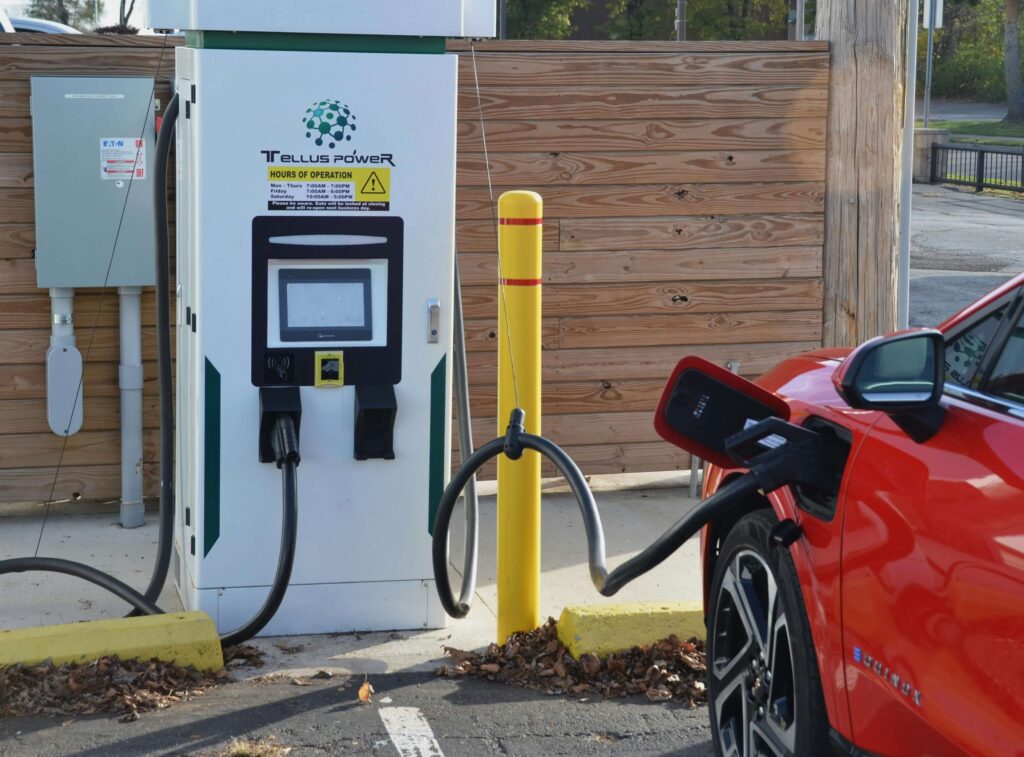
Charging deserves attention, too. Confirm that the vehicle’s connector and charging capabilities work with the charging locations you plan to use. Ask the seller to demonstrate how charging starts and stops and how the vehicle displays its charging status.
Before signing anything, get clear answers about the remaining battery warranty, the conditions that apply, required maintenance, and where the vehicle can be serviced. Confirm which charging cables, adapters, keys, and accessories are included.
If you’re buying used, ask about the vehicle’s history and whether reliable information about battery health is available. Don’t treat a short test drive as a substitute for checking the car’s condition and warranty. If you’re unsure about its mechanical or battery condition, consider an appropriate independent inspection.
One more thing: don’t let impressive acceleration or a large touchscreen distract you from everyday usability. You will use the car’s basic controls far more often than you’ll admire its spec sheet.
7. Your First Week With an EV
You’ve picked the vehicle, completed the paperwork, and brought it home. Congratulations. Now comes the part where you make the car fit your routine.
You don’t need to learn every setting or download every available app on day one. Focus on the essentials first.
Start by reading the charging and maintenance instructions. Find out what the manufacturer recommends for charging, battery care, tire pressure, and routine maintenance. Use the guidance for your specific vehicle rather than assuming all EVs work identically.
Next, set up the essentials. Learn the charging controls, choose your preferred driving and braking options, and configure only the accounts or apps you actually need. You can explore the extras later.
If you’ll use public charging, try a nearby location during an ordinary week. Learn how to initiate a session, check pricing, and end the session before you’re relying on it during a long trip.
It’s also worth planning one longer drive before you need to make an important trip. Choose a familiar route, identify suitable charging options along the way, and check compatibility, likely stops, and backup locations. Your first road trip doesn’t need to be an ambitious cross country adventure.
Finally, save the important information. Keep roadside assistance details, warranty information, and instructions for charging and emergency situations somewhere you can find them quickly.
Give yourself a little time to adjust. The goal is to develop a routine that feels ordinary, not to optimize every charging session like you’re managing a small power station.
Frequently Asked Questions
What should I know before buying my first EV?
Start with your daily driving, charging access, and the costs of the specific vehicle. Then check whether its range and charging capabilities fit your regular trips, test drive it, and understand its warranty and maintenance requirements. You don’t need to learn every technical detail, but you should have a workable charging plan before committing.
Do I need a home charger before buying an electric car?
No. Some drivers manage with workplace or public charging, but the practicality depends on where chargers are located, their availability, their cost, and how much time charging adds to your routine. If you can’t charge at home, research your regular charging options and a backup before purchasing.
How much range do I really need?
Enough to cover your normal driving comfortably, account for the conditions you typically encounter, and make your longer trips practical. Consider charging opportunities along your recurring routes rather than choosing a vehicle based solely on its advertised range. There is no single range requirement that suits every driver.
What should I ask when test-driving an EV?
Check comfort, visibility, cargo space, controls, braking feel, and general driving behavior. Ask about charging compatibility, included charging equipment, warranty coverage, maintenance, and service options. If you’re considering a used EV, also investigate its history and battery condition.
What should I check when buying a used EV?
Check the vehicle’s history, overall condition, battery warranty, and remaining coverage. Ask whether reliable information about battery health is available, and confirm that the vehicle can use the charging options you intend to rely on. Don’t assume the battery is in excellent condition or in poor condition based on age or mileage alone.
What changes most when switching from gas to electric?
The biggest change is usually how you refuel. Instead of visiting a gas station when the tank gets low, you may charge while the vehicle is parked or use public charging stations. You’ll also notice differences in acceleration, regenerative braking, energy costs, and maintenance. How much your routine changes depends heavily on your charging access.
The Grounded Take
Your first EV doesn’t need to be the longest range model, the fastest one, or the vehicle with the most impressive technology.
It needs to fit your life.
If you can charge it conveniently, its range covers your real driving needs, and the full cost makes sense for your budget, an EV may be a straightforward switch from gas. If charging would be a constant hassle or the numbers don’t work, a different EV, a hybrid, or simply keeping your current car may make more sense.
Figure out your driving. Solve charging. Run the numbers. Then choose the car.
That’s a much better starting point than falling in love with a vehicle first and trying to make the rest of your life accommodate it.